Debunking Myths About Eco-Friendly Transportation


Understanding Eco-Friendly Transportation
Eco-friendly transportation is gaining popularity, yet several myths still surround the concept. These misconceptions often prevent individuals from embracing greener travel options. In this post, we'll debunk some common myths and highlight the benefits of sustainable transportation.
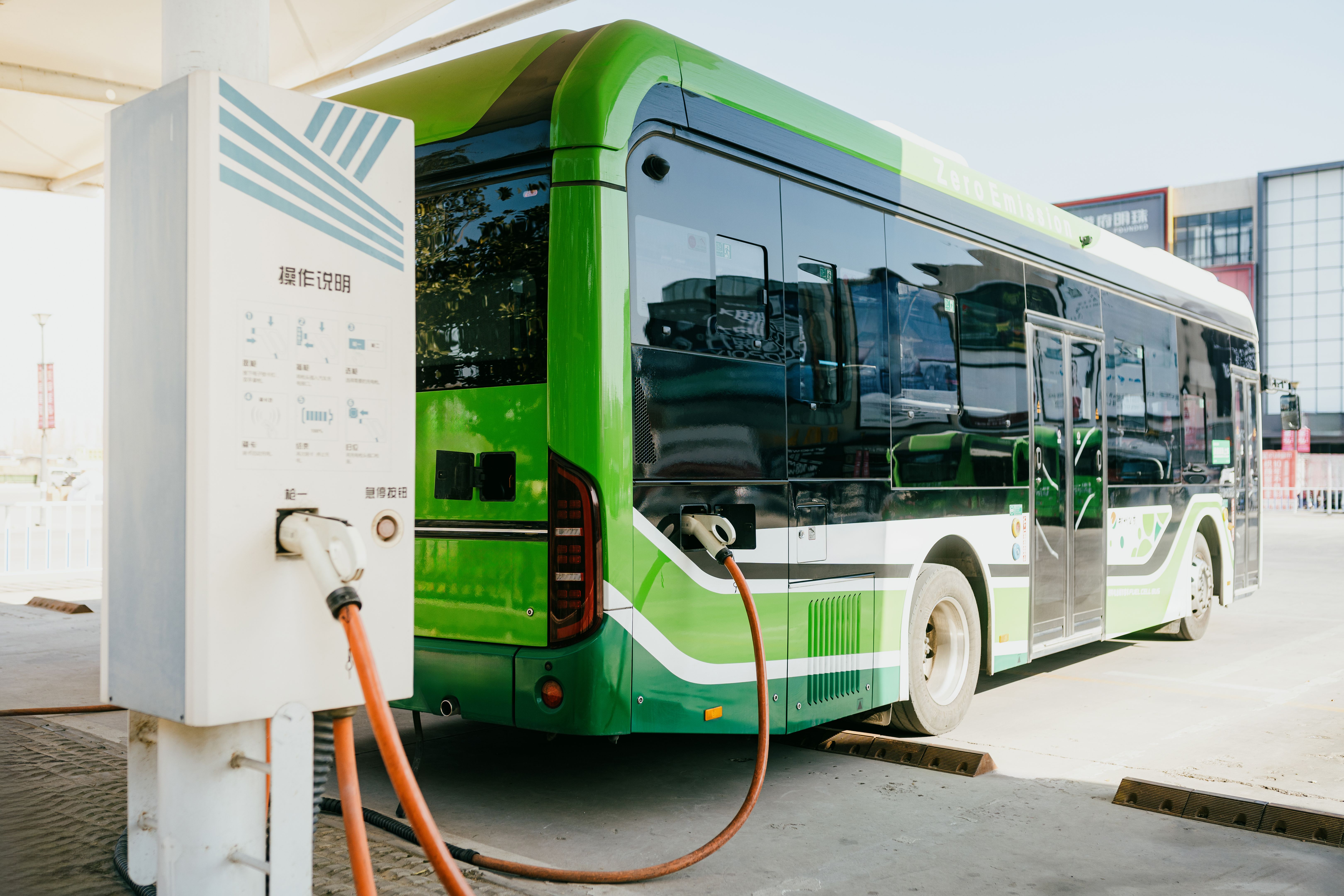
Myth 1: Electric Vehicles Are More Expensive
Many believe that electric vehicles (EVs) are financially out of reach. While it's true that the initial purchase price can be higher, the long-term savings are significant. EVs often have lower maintenance costs and benefit from incentives and tax credits. Additionally, the cost of electricity is typically less than gasoline, making EVs more economical over time.
Myth 2: Public Transportation Is Inconvenient
There's a perception that public transportation is inconvenient and unreliable. However, many cities are improving their infrastructure, making public transit more efficient and user-friendly. Buses and trains often have dedicated lanes, reducing travel times and enhancing reliability. Moreover, using public transport can be a stress-free alternative to driving.

Myth 3: Biking Isn’t Safe
Safety concerns often deter people from biking. However, cities are increasingly investing in bike lanes and safety measures. Wearing appropriate gear and following traffic rules can further enhance safety. Biking is not only eco-friendly but also a great way to improve physical health.
Myth 4: Carpooling Is Inconvenient
Carpooling is often seen as inconvenient due to scheduling conflicts. However, with modern technology and carpool apps, coordinating rides has never been easier. Carpooling reduces traffic congestion, lowers emissions, and can even make commuting more enjoyable by fostering social interactions.

The Benefits of Eco-Friendly Transportation
Adopting eco-friendly transportation offers numerous benefits. It reduces carbon emissions, lowers air pollution, and can save money. Furthermore, it often leads to healthier lifestyles through increased physical activity, such as biking or walking.
How to Make the Transition
Making the switch to eco-friendly transportation doesn't have to be overwhelming. Start small by integrating public transit or biking into your routine. Consider carpooling or investing in an electric vehicle if feasible. Every little change contributes to a more sustainable future.
- Explore local public transport options.
- Consider an electric or hybrid vehicle.
- Join a carpool or ride-sharing program.
Conclusion
Debunking these myths is crucial for encouraging wider adoption of eco-friendly transportation. By understanding the realities, we can make informed decisions that benefit both the environment and our wallets. Embracing sustainable travel is a step towards a greener, healthier planet.